KurrentDB 26.2 is on its way. This is a preview of what's coming, starting with the biggest change under the hood.
Raft-based control plane
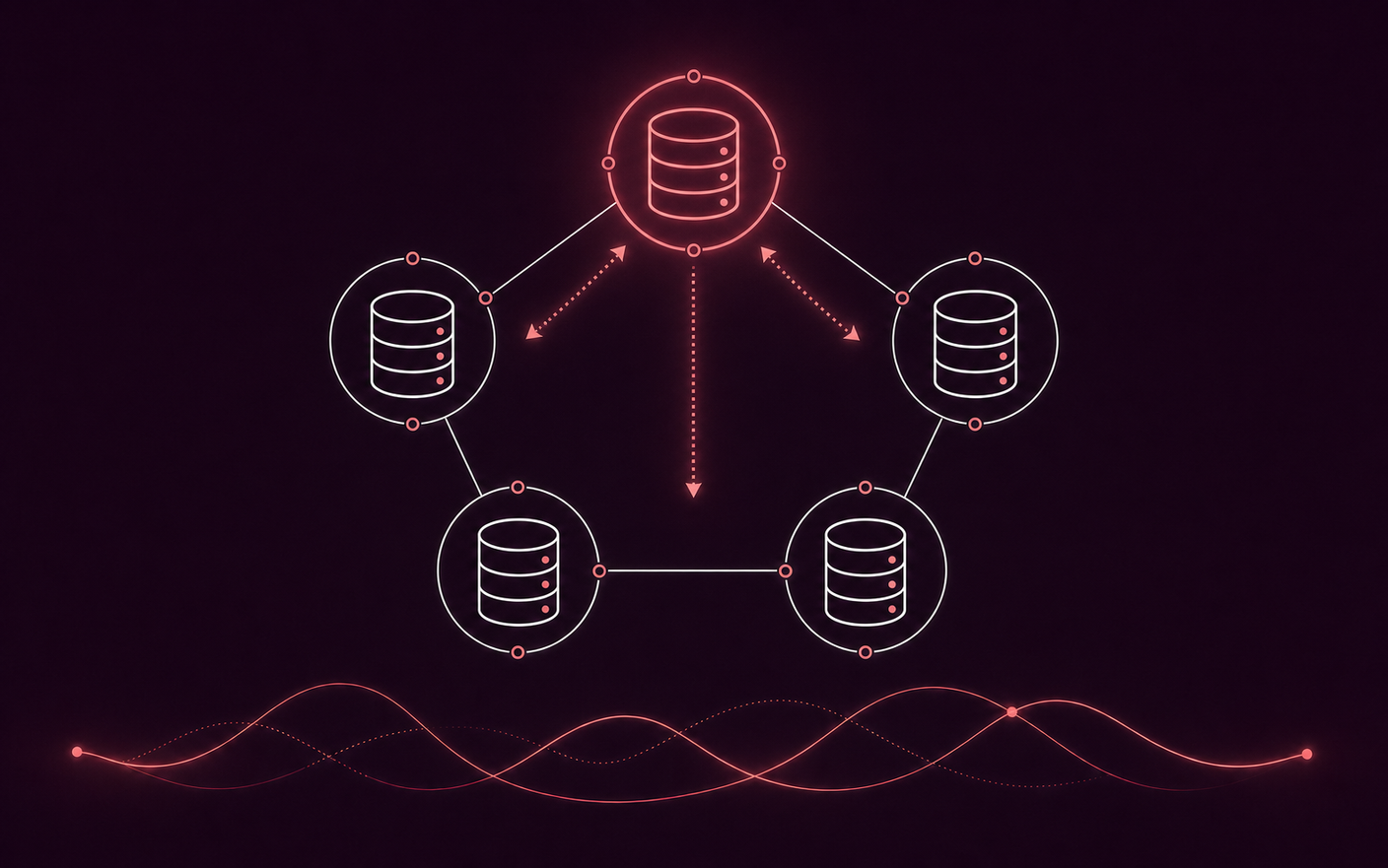
Clustering is moving onto Raft, the same proven consensus algorithm behind systems like Apache Kafka and Kubernetes. This brings KurrentDB's cluster coordination, historically rooted in the classic Paxos, onto a modern, more widely-understood standard. Making leadership and failover become even more resilient and predictable.
Raft also future-proofs KurrentDB, giving us a foundation to build capabilities like these in future releases:
- Running multiple databases on a single cluster
- Choosing how many replicas must acknowledge a write
- Built-in coordination, like leases and locks, for your applications
From v26.2, multi-node clustering requires a license
KurrentDB's licensing is changing in v26.2, and what it means for you depends on the version you run. This doesn't affect Kurrent Cloud customers.
- v26.2 and later: will require a license to use multi-node clustering. On the other hand, almost all licensed features will become free.
- v26.1 and earlier: are unchanged. Every feature stays licensed exactly as it is today. Those versions remain supported for their full LTS term.
The full breakdown is in our licensing post:
https://www.kurrent.io/blog/licensing-in-kurrentdb-v26-2-and-beyond-what-s-free-and-what-s-licensed/
Multi-field indexes
Indexes can now span multiple fields, so you can filter events on several attributes at once without scanning the whole log. User-defined indexes arrived in 26.0 for a single field; 26.2 extends them to any number of fields of mixed types, so one index answers questions across several attributes together.
You name the fields when you create the index, then query them through the filtered $all API. For example, orders placed in Mauritius over a given total:
$idx-user-orders:country="United States of America";total=149.99Constraints combine with AND in any order, and the same lookups work from the built-in SQL editor as well as flight sql.
Authentication without TLS
You can now run without TLS while still requiring authentication, using a new --disable-tls flag. It's aimed at development and internal-network setups. Until now the only way to drop TLS was --insecure, which also switched off auth entirely. With TLS off, credentials travel in cleartext, so keep this to trusted networks rather than the public internet.
More to come
That's an early look at where 26.2 is heading. If clustering is on your roadmap, the licensing post has the detail you'll want before upgrading. For everything else, sit tight. The full notes are coming.